
Flower Growing Guide
How to Grow Calendula from Seed
Grow calendula (pot marigold) from seed: sow just before last frost, cover the seed, deadhead often and sow again for flowers spring through fall.
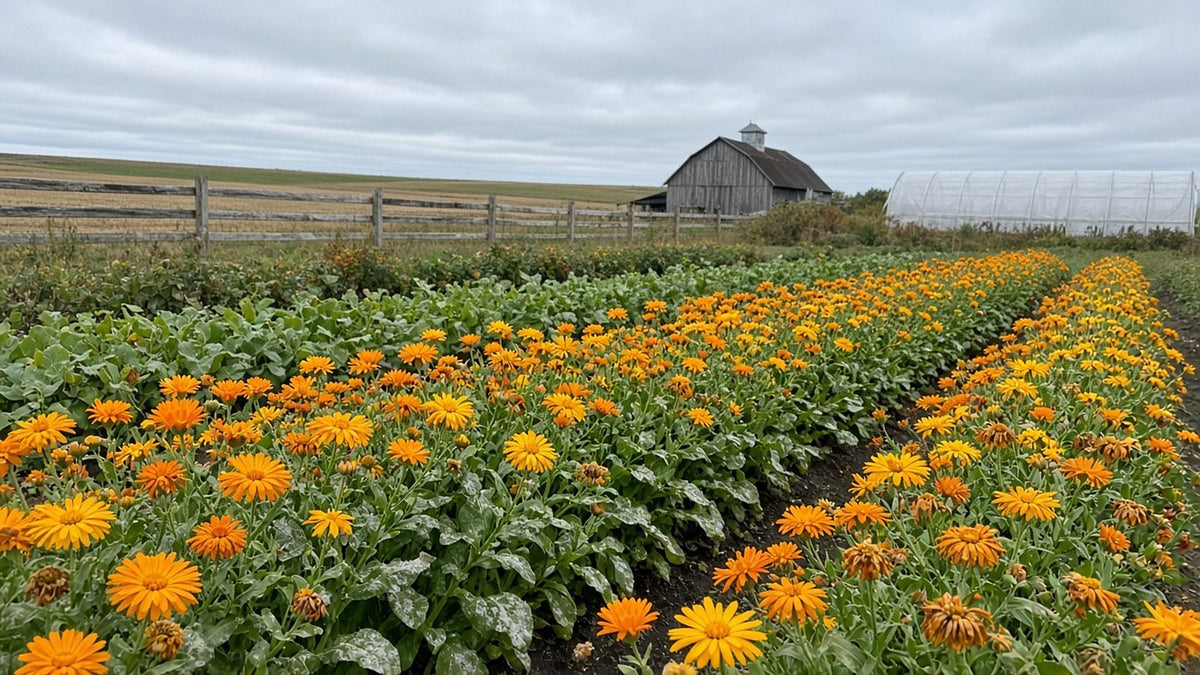
Calendula (Calendula officinalis), also called pot marigold, is an easy, cool-season annual with bright orange, gold, apricot and cream daisies. Despite the common name, it is not a true marigold (Tagetes).
It flowers quickly from seed, tolerates light frost and keeps blooming from spring into fall in cooler regions. The petals are edible and have been used in cooking for centuries, and the flowers draw bees and other beneficial insects to vegetable gardens.
Calendula quick facts
| Plant type | Hardy annual |
|---|---|
| Botanical name | Calendula officinalis |
| Sun | Full sun; light afternoon shade in hot climates |
| Sowing depth | ¼–½ inch (darkness aids germination) |
| Germination | About 5–15 days |
| Spacing | 8–12 inches |
| Height | 1–2 feet |
| Start indoors | 6–8 weeks before last frost |
| Feeding | Light; heavy fertilizer reduces flowering |
When to plant calendula
Direct sow calendula just before your last frost date, or start seed indoors six to eight weeks earlier for earlier flowers. Plants slow down in the hottest weather, so a second sowing in midsummer gives fresh plants that bloom through fall and often survive the first light frosts.
By zone:
- Cold zones (about 3–5): sow in mid spring and again in July for fall color.
- Mid zones (about 6–7): sow in early spring; resow in late summer for fall.
- Warm zones (about 8–10): sow in fall for winter and spring bloom; plants decline in summer heat.
Where to grow calendula
Calendula grows in almost any well-drained soil in full sun. In hot regions, light afternoon shade keeps it going longer. It fits in vegetable beds, herb gardens, borders and containers, and is a popular companion row in market gardens because it attracts beneficial insects.
How to sow calendula seeds

Starting seeds indoors
Sow seeds ¼–½ inch deep in cells of seed-starting mix six to eight weeks before your last frost. Cover them fully, since light inhibits germination. At room temperature, seedlings appear in about one to two weeks. Grow them cool and bright, harden them off and plant out around the last frost date.
Direct sowing, step by step
- Prepare a sunny bed with loose, well-drained soil.
- Sow seeds ¼–½ inch deep, about 2 inches apart.
- Keep the soil moist until seedlings appear in one to two weeks.
- Thin to 8–12 inches apart.
- Pinch young plants once when a few inches tall to make them bushier.
Calendula is one of the easiest flowers to direct sow. Use fresh seed, because viability drops in storage.
Caring for calendula

Watering
Water moderately; keep the soil from drying out completely but avoid soggy beds.
Feeding
Average soil is enough. Rich soil and heavy feeding give leaves at the expense of flowers.
Deadheading
Pick flowers often. Plants left to set seed slow down and stop blooming.
Pests and diseases
Powdery mildew is common late in the season. Aphids, whiteflies, slugs and snails can also appear. Pulling tired plants and resowing is often easier than treating them.
Cutting and enjoying calendula

Pick calendula flowers when fully open, in the morning after the dew has dried. For bouquets, cut long stems and place them straight in water. For cooking, pull the petals from freshly picked flowers and use them fresh or dried. Regular picking keeps plants blooming for months.
Saving calendula seeds
Let a few flowers mature until the curved, ridged seeds turn brown and dry on the plant. They break off easily. Store them cool and dry and sow within a year or two for the best germination. Calendula often self-sows.
Using calendula petals
Calendula petals have a mild, slightly peppery taste and a strong golden color. Sprinkle fresh petals on salads or dry them to color rice, soups and butter. Dry petals on a screen in a shady, airy spot until crisp, then store them in a jar. Only eat flowers you grew yourself without pesticides.
Calendula growing FAQ
Is calendula the same as marigold?
No. Calendula is sometimes called pot marigold, but true marigolds are Tagetes, a different plant.
Should calendula seeds be covered?
Yes. Cover them ¼–½ inch deep; light inhibits germination.
Can calendula take frost?
Yes, plants tolerate light frosts and often bloom into late fall.
Why did my calendula stop flowering in summer?
Heat slows calendula. Keep picking, give light shade, or resow in midsummer for fall flowers.
Does calendula grow well in containers?
Yes. Use a pot at least 8 inches wide with free-draining mix, keep it in full sun and water when the top inch is dry. Compact varieties suit window boxes.
Shop calendula seeds
Download the printable one-page calendula guide (PDF)
Related growing guides
- How to Grow Marigolds from Seed
- How to Grow Zinnias from Seed
- How to Grow Love-in-a-Mist from Seed
- How to Grow Cosmos from Seed
- How to Grow Candytuft from Seed
See every guide in the Flower Library or the Grower's Library.
Sources: University of Wisconsin–Madison Extension, Calendula; NC State Extension Plant Toolbox, Calendula officinalis. Planting dates vary with your local frost dates; check your county extension office for local timing.