
Vegetable Growing Guide
How to Grow Pumpkins from Seed
Grow pumpkins from seed: sow in warm soil, give vines room, water and feed, help pollination, then harvest and cure for storage. Quick facts and FAQs.
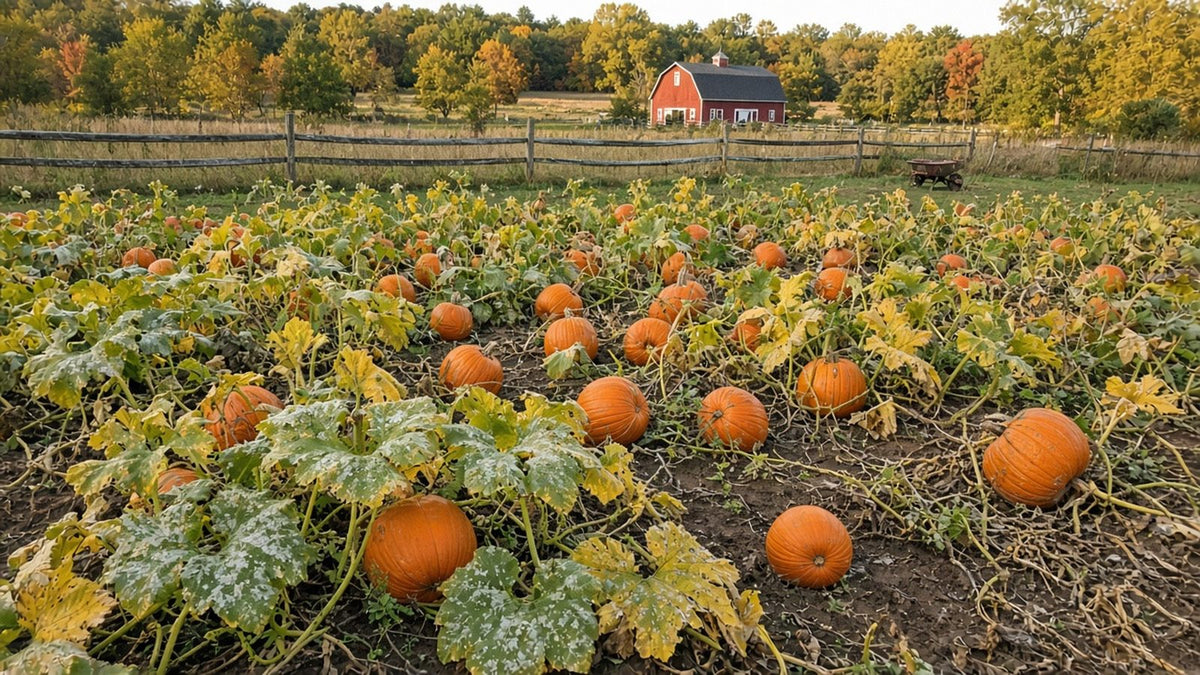
Pumpkins need space, warmth and a long season. Most take more than 100 days to ripen, but few crops are as satisfying as a patch of orange fruit in October.
Pick your type first. Jack-o'-lantern pumpkins have stringy, bland flesh; small pie pumpkins are sweeter for cooking; giant varieties need extra room and care.
Pumpkin quick facts
| Plant type | Very tender warm-season annual (cucurbit family) |
|---|---|
| Sun | Full sun |
| Soil temperature to sow | At least 65°F at 2 inches deep |
| Sowing depth | ½–¾ inch |
| Spacing | 24–36 in in the row (bush types closer); rows 5–6 ft or more |
| Germination | About 7–10 days |
| Days to maturity | Most need more than 100 days |
| Start indoors | Optional, about 3 weeks before planting out |
| Storage | Cure, then store at 50–55°F |
When to plant pumpkins
Sow pumpkins directly in the garden after all danger of frost has passed and the soil is at least 65°F at a two-inch depth, typically late May to early June in northern areas. Or start seeds indoors about three weeks before planting time. Check the variety's days to maturity against your frost-free season; longer-season types can be hard to ripen in short summers.
By zone:
- Cold zones (about 3–5): choose shorter-season varieties, start indoors, and plant through black plastic to warm the soil.
- Mid zones (about 6–7): direct sow in late spring for an autumn harvest.
- Warm zones (about 8–10): plant in spring or early summer; time it so fruit matures before peak pest pressure.
Where to grow pumpkins
Choose a sunny, level spot and mix compost into the soil before planting. Vines run along the ground and take up a lot of space; bush varieties suit small gardens. Leave five to six feet or more between rows, or grow vines in one direction to keep paths clear.
How to sow pumpkin seeds

Starting seeds indoors
Sow seeds in 3-inch pots about three weeks before planting time. Handle transplants gently and disturb the roots as little as possible. Plant them out once the soil has warmed to at least 65°F.
Direct sowing, step by step
- Wait until frost has passed and the soil is at least 65°F at 2 inches deep.
- Mound soil slightly and sow 2–3 seeds per spot, ½–¾ inch deep.
- Space planting spots 24–36 inches apart in rows 5–6 feet or more apart.
- Keep the soil moist; expect seedlings in about 7–10 days.
- Once seedlings have their second set of leaves, keep the strongest and cut the rest at soil level.
Planting through black plastic or landscape fabric warms the soil and speeds maturity. If you use straw or compost mulch instead, wait until the soil is at least 75°F, because organic mulches slow soil warming.
Caring for pumpkins

Watering
Water deeply and regularly at the base of each plant, especially in hot, dry weather and once fruit starts to form.
Feeding
Side-dress with fertilizer when the vines begin to spread. Over-fertilizing causes excessive vine growth and can lead to split fruit.
Pollination
Pumpkins produce male flowers for one to two weeks before females, the ones with a tiny fruit at the base, appear. That's normal. Bees carry pollen between them; poor fruit set usually means too few pollinators.
Pests and diseases
Squash bugs, squash vine borers, cucumber beetles and aphids are the main pests, and powdery mildew, downy mildew, anthracnose and leaf spot are common diseases. Inspect plants often and remove pests early.
Harvesting pumpkins

Pick pumpkins when they have reached full color and the rind is hard, generally in late September or October, before a hard freeze. A light frost kills the vines but won't harm the fruit; temperatures below about 28°F can. Cut fruit from the vine with a sharp knife or pruners, leaving three to four inches of stem. Cure pumpkins in the field for a week or two of dry, sunny weather, or indoors if it's cold or rainy. Store at about 50–55°F with good air movement.
Saving pumpkin seeds
Pumpkins cross readily with other squash in the same species, so save seed only from open-pollinated varieties grown in isolation. Scoop seeds from fully mature fruit, rinse and dry thoroughly.
Pumpkin growing FAQ
When should I plant pumpkin seeds?
After frost, once the soil is at least 65°F at two inches deep, usually late spring.
How much space do pumpkins need?
A lot. Space plants 24–36 inches apart in rows five to six feet or more apart, or choose bush types.
Why are my pumpkin flowers falling off without fruit?
Early flowers are mostly male and drop naturally. Female flowers follow; poor fruit set usually means too few pollinators.
How do I know when a pumpkin is ripe?
It has changed fully from green to its mature color and the rind is hard and firm. Harvest before a hard freeze.
How do I store pumpkins?
Cure them for a week or two, then store in a dry place at about 50–55°F.
Shop pumpkin seeds
Download the printable one-page pumpkin guide (PDF)
Related growing guides
- How to Grow Carrots from Seed
- How to Grow Tomatoes from Seed
- How to Grow Lettuce from Seed
- How to Grow Cucumbers from Seed
- How to Grow Radishes from Seed
- How to Grow Peppers from Seed
See every guide in the Vegetable Library or the Grower's Library.
Sources: University of Minnesota Extension, Pumpkins and winter squash; University of Maryland Extension, Growing pumpkins in the home garden. Planting dates vary with your local frost dates; check your county extension office for local timing.